
The resurgence of polio and the spread of monkeypox proves again that diseases don’t respect borders. No one is safe until we all are
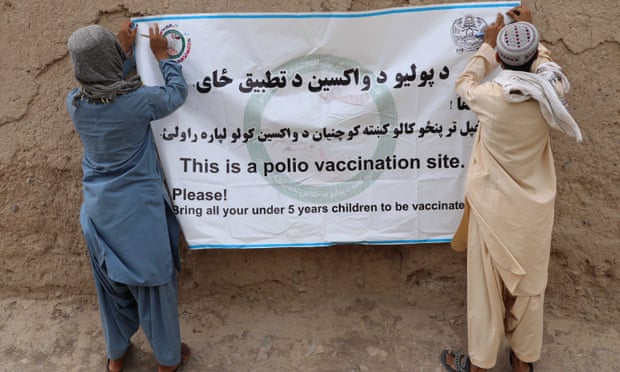
Despite our progress, we have not yet arrived. In July, New York state reported its first incidence of paralytic polio in nearly a decade. A few days later, a neighbouring county reported finding vaccine-derived virus in sewage. Authorities in the capital have decided to give a booster dose of the polio vaccine to every child between the ages of one and nine after a similar virus was discovered in numerous samples of London sewage. Israel experienced its first polio case since 1989 this year.
Infectious illness dangers have diminished over time, but constant attention is still required. Routine childhood immunisation rates decreased at the worst of the Covid-19 pandemic, particularly in the UK, and they have not fully recovered.
The implementation of public health measures, such as greater handwashing, mask use, and physical separation, led to a decrease in the incidence of various infectious diseases, including some that are vaccine-preventable. However, the epidemic also gave rise to rumours about vaccinations like the Covid-19, among other things. Although only a small portion of the UK population supported these, they were highly loud, gained much media coverage, and there was a rise in vaccine scepticism overall, which combined to create the ideal storm. There is a very real risk that some of the diseases currently controlled by vaccination will spread more frequently as a result of a rise in the number of people who are not immunized, a lack of background immunity boosting from natural infection, and a reduction in public health measures.
So how do you react? The expansion of monkeypox and the comeback of polio serve as a reminder that infectious illnesses know no boundaries. In addition to being a moral obligation, it is in our own best interests to make sure that infectious disease control is as effective as possible worldwide. This is only achievable for polio through immunization. However, the UK government has reduced its financial support for the worldwide campaign to eradicate polio. Even while it makes sense that all budgets are being evaluated in these hard times, it is not the right moment to cut something as important as the elimination of polio. The negative repercussions of this change must be made known to MPs.
Closer to home, we must make sure that correct information about vaccines and the diseases they guard against is readily available. Most individuals will not have ever experienced polio or other diseases like diphtheria, which used to kill thousands of people annually in the UK before vaccinations were introduced in the 1940s.
It is sometimes argued that a vaccination program's own success is its deadliest adversary since it equates to no or little disease, which not only removes the reminder of the disease's severity but also leads people to believe that vaccination is no longer necessary. The current circumstance serves as a stark reminder that this is untrue. It was difficult enough to get some individuals to embrace a vaccine (Covid-19) that would protect them against a pandemic illness that was already killing millions of people in real time. Perhaps even more challenging is persuading some members of the public to adopt a vaccine for a condition that has all but disappeared.
However, it is not insurmountable, as shown by the high vaccination rates in the UK as a whole, with more than 90% of 12-month-old infants receiving three doses of the primary immunizations, which include the polio vaccine. The substantial variation in uptake between places is cause for concern, with almost a third of 12-month-old children in some parts of London not receiving the complete protection. There is a great chance that deadly illnesses like polio could spread due to this enormous immunity gap.
The reduction of this vaccination uptake gap depends on numerous important variables. Whether it is written, digital, or spoken, the public needs information that is trustworthy, accurate, and timely. In order to explore the benefits and drawbacks of the vaccine and allay their concerns, many people require a dialogue with a knowledgeable health practitioner they can trust; yet, this conversation takes time, and time is at a premium in the NHS. The case for polio is unambiguous: it is a terrible illness that can be successfully averted by a highly safe, well-researched vaccination.
The impediments to immunization, however, may be more realistic for some individuals. It is commonly known that younger children in big families and those who live in less privileged situations have lower vaccination rates. Despite the best of intentions, vaccination may fall low on the list due to the practical challenges of visiting vaccination clinics and the need to manage several competing objectives. Taking time from work or covering travel expenses to the clinic can be too expensive. Concerns about the constantly rising expense of living make vaccinations a low priority. The NHS is now in complete control of the situation. Services must be tailored locally to fulfil the requirements of the entire population.
Globally, vaccinations save the lives of between 2 million and 3 million children each year, but we cannot stop there. The public has to be reminded of the gravity of diseases, the safety and effectiveness of vaccines, and the necessity of continuing vaccination until a disease is eradicated globally.
Children's health is taught by Prof. Helen Bedford at UCL. Dr. David Elliman, a consultant paediatrician at Great Ormond Street Hospital, co-wrote this article.
We need your help with a simple favor. Every day, millions of people look to the Guardian for unbiased, high-quality news, and we now receive financial support from readers in 180 different nations.
We think everyone should have access to information that is based on facts and science, as well as analysis that is grounded in authority and integrity. Because of this, we took a different tack and decided to keep our reporting accessible to all readers, regardless of their location or financial situation. More people will be better informed, united, and motivated to take significant action as a result.


No comments:
Post a Comment
If You Have Any Problem or Questions So Comment here